Forget mass panic, empty supermarket shelves and people fleeing the streets. Even if alien technology were confirmed, most of us would probably still be getting up and going to work the next morning.
That is the striking prediction from Harvard astrophysicist Avi Loeb, who believes the discovery of extraterrestrial technology might cause far less chaos than Hollywood has led us to expect.
Speaking to Cybernews on November 19, 2026, Loeb argued that even proof of non-human technology could gradually become just another part of everyday life.
Rather than triggering worldwide panic, he believes the public could simply become used to the idea – a phenomenon he describes as “disclosure fatigue”.
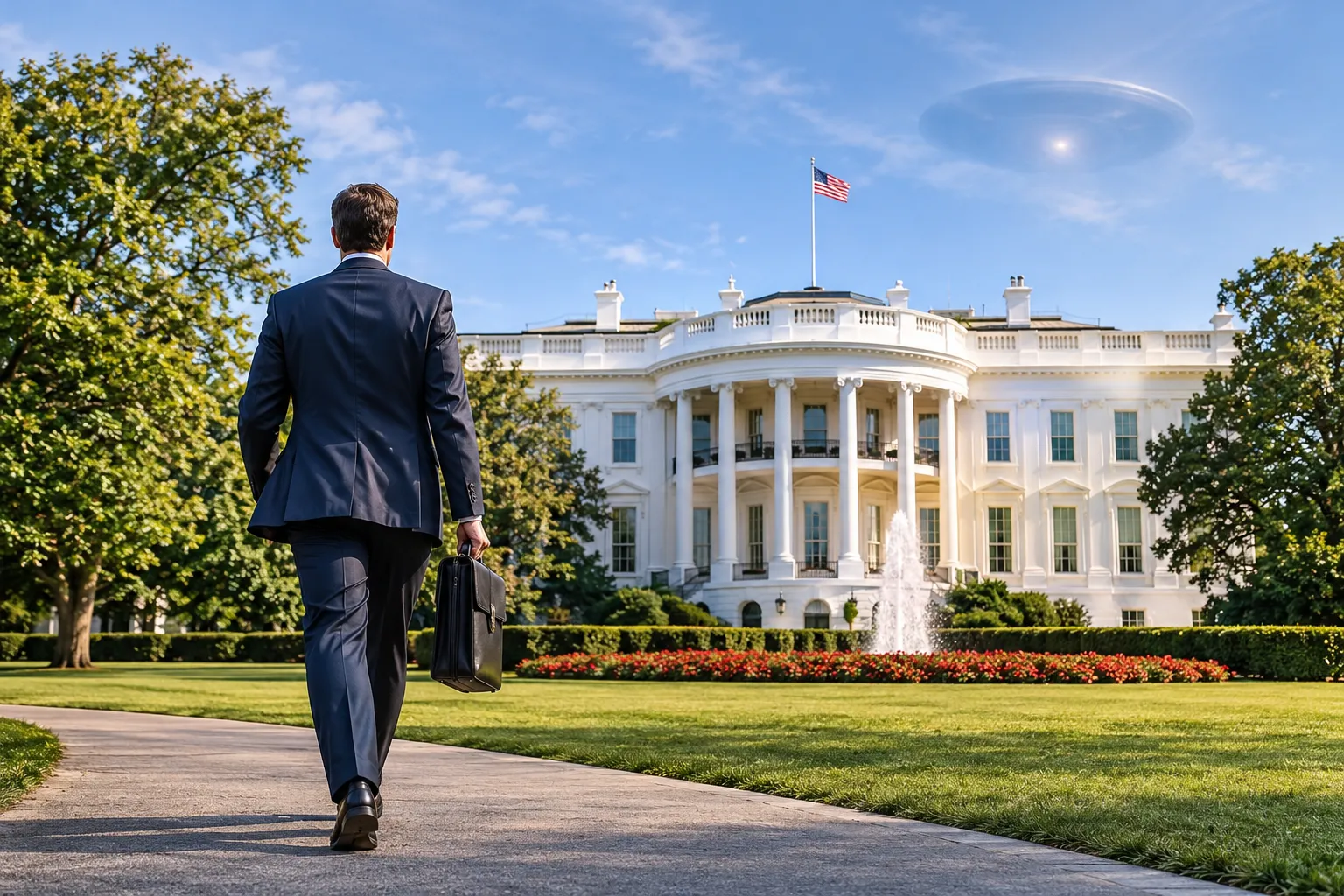
‘People Would Still Go to Work’
Loeb suggested that humanity has a remarkable ability to adapt, even when confronted with information that could change our understanding of the universe.
He compared the potential reaction to the public’s response to artificial superintelligence, arguing that society can be slow to recognise the full significance of major technological developments.
In his view, reports of unexplained objects and possible alien encounters could eventually become so familiar that even an official announcement might struggle to shock people.
It is a far cry from the dramatic first-contact scenarios seen in science-fiction films.
The Man Helping Advise the White House
Loeb’s comments are attracting attention because he chairs the UAP Science Advisory Council, a government-linked body established to examine unidentified anomalous phenomena.
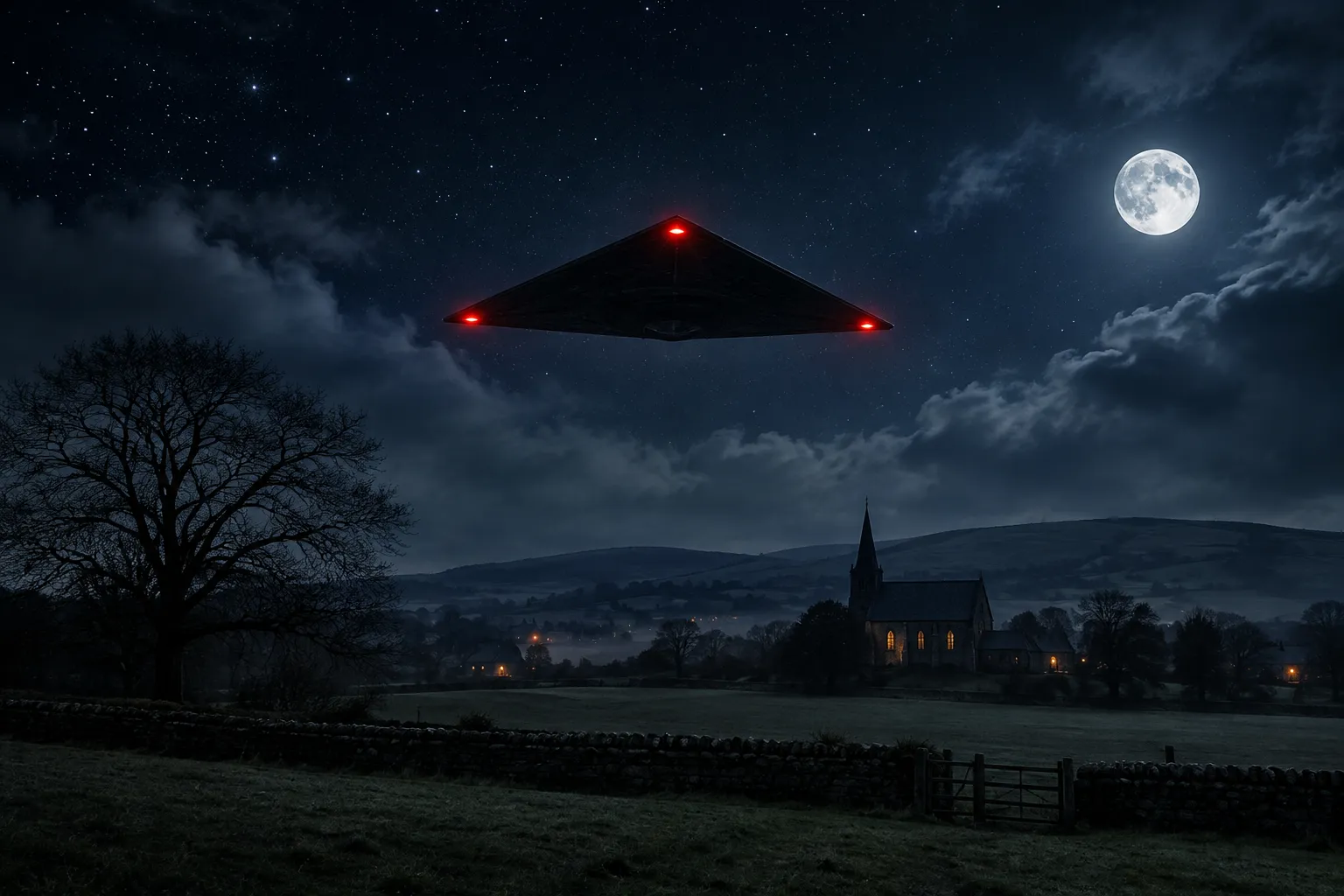
The council was appointed under the Trump administration and has been tasked with reviewing evidence involving mysterious objects, including reports of glowing orbs and triangular craft.
Its work reportedly includes examining existing information from the Pentagon, the Office of the Director of National Intelligence and the FBI for possible signs of non-human technology.
Loeb has described confirmed alien technology as potentially the greatest scientific discovery in human history.
But he draws a clear distinction between the enormous scientific importance of such a discovery and the effect it might have on ordinary people’s lives.
Has He Actually Seen Proof of Aliens?
Despite his high-profile position, Loeb insists he has not seen convincing evidence that extraterrestrial technology is operating on Earth.
In the Cybernews interview, he said the material available to him amounted to insufficient data about unexplained phenomena, including reports of orbs and triangular objects.
He has also pushed back against claims from whistleblowers alleging secret knowledge of alien spacecraft and hidden government programmes.
Although Loeb has not ruled out the possibility that evidence could exist somewhere within classified government channels, he says nothing conclusive has been presented to him or his council.
That distinction is crucial: there is currently no confirmed proof of alien technology in the evidence he says he has examined.
Disclosure Fatigue Instead of Worldwide Panic?
Loeb’s prediction raises an intriguing possibility.
If governments eventually confirmed the discovery of non-human technology, the reaction might not be the earth-shattering moment many people imagine.
Instead, the news could unfold gradually, with repeated announcements, investigations and fresh revelations slowly becoming part of the daily news cycle.
The public might initially be stunned, but Loeb believes that reaction could eventually give way to indifference.
For now, however, the biggest question remains unanswered: are we actually alone?
Until independently verified evidence emerges, claims of alien technology remain speculation rather than established fact.
And if Loeb is right, even the biggest discovery in human history might not stop the morning commute.