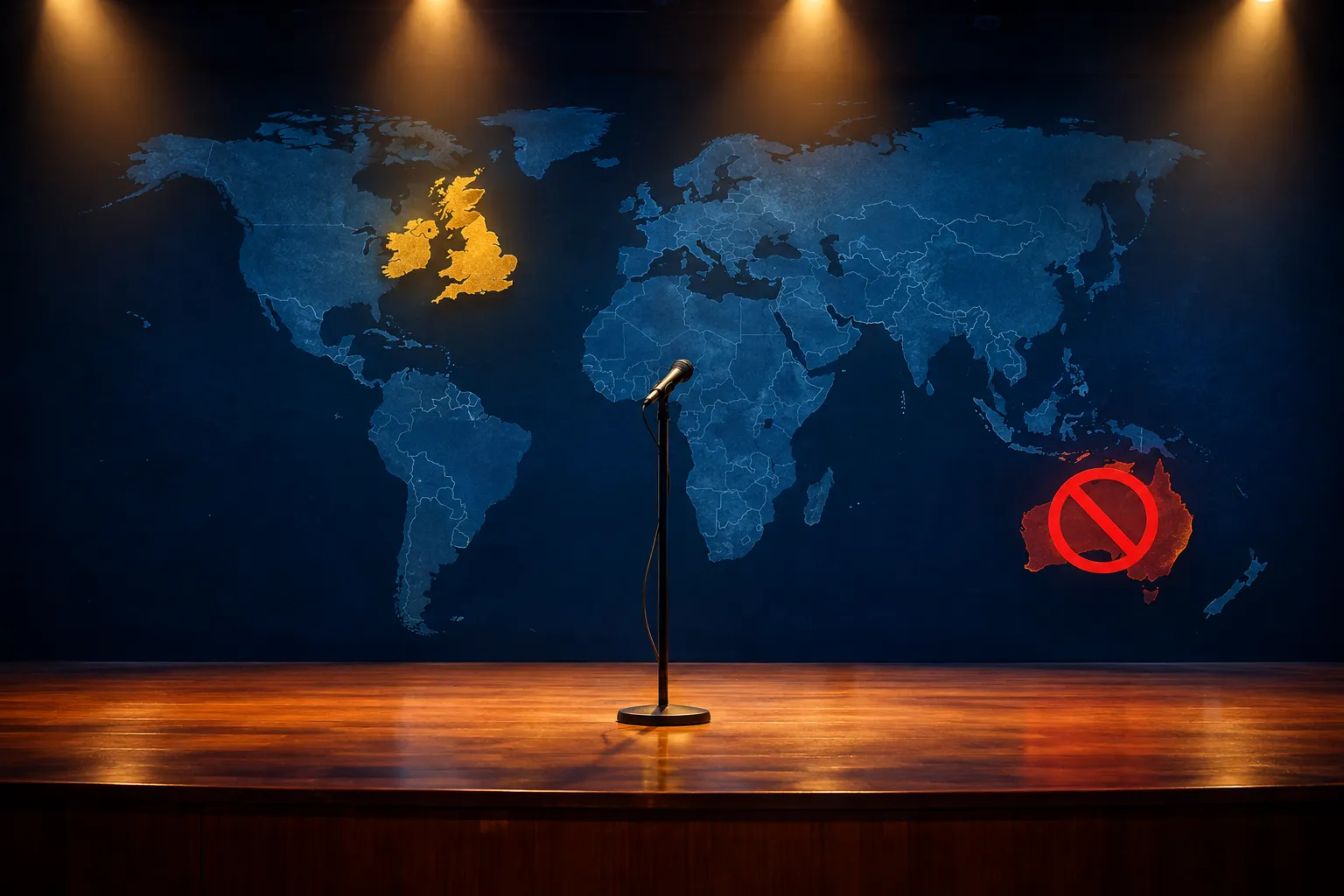
A controversial wellness guru who was banned from delivering health-related lectures in Australia is preparing to take her message to audiences across Britain and Ireland — and furious doctors are determined to make their voices heard.
Barbara O’Neill, 73, has built an international following by promoting natural remedies and so-called self-healing techniques. But her reputation has also been dogged by serious concerns over her medical claims, qualifications and advice to vulnerable people.
Now, with a series of events scheduled for October 2026, the Australian health regulator’s landmark decision to prohibit her from providing health-related educational services has returned to the spotlight.
And with venues reportedly facing mounting pressure over their bookings, the row is showing no signs of dying down.
Watch
A controversial wellness guru who was banned from delivering health-related lectures in Australia is preparing to take her message to audiences across Britain and Ireland — and furious doctors are determined to make their voices heard.
Barbara O’Neill, 73, has built an international following by promoting natural remedies and so-called self-healing techniques. But her reputation has also been dogged by serious concerns over her medical claims, qualifications and advice to vulnerable people.
Now, with a series of events scheduled for October 2026, the Australian health regulator’s landmark decision to prohibit her from providing health-related educational services has returned to the spotlight.
And with venues reportedly facing mounting pressure over their bookings, the row is showing no signs of dying down.
Who Is Barbara O’Neill, the Wellness Guru Banned in Australia?
O’Neill has attracted followers through seminars, online videos and wellness retreats promoting natural approaches to health.
Her supporters are drawn to her message of self-healing, but medical professionals have raised serious concerns about the advice she has given on conditions including cancer, as well as her statements about antibiotics and vaccinations.
The controversy reached a turning point in 2019, when Australia’s Health Care Complaints Commission imposed a permanent prohibition order preventing her from providing health-related educational services and certain treatments.
The regulator found that O’Neill lacked appropriate accredited health qualifications and had made claims that could put people at risk.
The decision was a major blow for the wellness figure, but it did not end her international speaking career.
Instead, she has continued to attract audiences overseas — setting the stage for a fresh confrontation as her latest tour brings her to British and Irish venues.
UK Tour Sparks Outcry as Doctors Raise the Alarm
O’Neill’s planned appearances have triggered a backlash from medical professionals and science communicators, who fear that potentially dangerous health misinformation could reach vulnerable audiences.
Among the advertised events are a five-day self-healing retreat at Cranage Estate in Cheshire, a headline appearance at the Founders and Future festival at Glasgow University Union, and an event at the City North Hotel and Conference Centre in Gormanstown, County Meath.
The bookings have prompted objections from doctors, academics and health advocates, who have urged venues to consider the potential consequences of hosting the controversial speaker.
Science communicator David Robert Grimes and coach Gary McGowan have also publicly raised concerns about O’Neill’s activities, highlighting the Australian prohibition and questioning the health claims promoted through her paid events.
For critics, the central issue is not simply whether O’Neill should be allowed to speak. It is whether audiences fully understand the controversy surrounding her credentials and the medical advice she has previously promoted.
The Cancer Claim That Has Alarmed Medical Experts
One of the most contentious issues surrounding O’Neill is her past promotion of the claim that cancer is a fungus that can be treated with bicarbonate of soda.
Medical evidence does not support this claim. Cancer is a group of diseases involving abnormal cell growth, and bicarbonate of soda is not an established cancer treatment.
Doctors are particularly concerned that people facing a frightening diagnosis could be persuaded to abandon effective treatment in favour of unproven alternatives.
Her past comments concerning antibiotics and vaccination have also attracted criticism, adding to concerns about the potential impact of her advice.
Medical professionals warn that delaying or refusing evidence-based treatment can have devastating consequences, particularly for people with serious or potentially life-threatening illnesses.
The controversy has therefore extended beyond a debate about natural health, raising broader questions about public safety and the responsibilities of people who give health advice to large audiences.
Why the Australian Ban Has Not Stopped Her Overseas Events
Despite the Australian prohibition, O’Neill has continued to promote her work internationally.
The distinction is important: a regulatory order imposed in Australia does not automatically prevent someone from speaking at events in the UK or Ireland. Whether particular activities are lawful depends on the applicable rules and circumstances in each jurisdiction.
That has left British and Irish venues facing uncomfortable questions about their responsibilities when booking speakers whose health claims have attracted serious regulatory scrutiny elsewhere.
Critics argue that organisers should make the circumstances surrounding O’Neill’s Australian ban clear to prospective attendees before selling tickets.
They also want venues to consider whether hosting such events could lend credibility to claims that conflict with established medical evidence.
For event organisers, the controversy presents a difficult reputational decision: proceed with the advertised appearance or reconsider the booking in response to growing public concern.
What Attendees Should Know Before Booking
With the October 2026 events attracting scrutiny, prospective attendees should look beyond promotional material when assessing health-related talks and retreats.
Here are three important things to consider:
- Check the qualifications. Descriptions such as naturopath, nutritionist or healer do not necessarily indicate recognised medical training or professional registration.
- Look into regulatory action. A prohibition imposed by a health regulator is relevant information when deciding whether to trust a speaker’s medical advice.
- Be cautious about claims involving serious illness. Anyone suggesting that cancer can be cured through an unproven remedy, or encouraging people to abandon prescribed treatment, should prompt particular concern.
Anyone considering changing medication, vaccination decisions or cancer treatment should speak to a suitably qualified healthcare professional rather than relying on advice delivered at a paid seminar or retreat.
A Growing Battle Over Health Misinformation
The row surrounding O’Neill highlights a wider challenge facing the wellness industry: how to distinguish personal health philosophies from advice that could place people’s lives at risk.
Wellness events can attract people looking for answers, reassurance or alternatives after difficult medical experiences. Critics say that makes it especially important for organisers and audiences to scrutinise extraordinary health claims rather than accepting them at face value.
The dispute also raises questions about the limits of regulatory powers. Even when one country imposes a prohibition, speakers may still find audiences elsewhere, leaving other jurisdictions to assess their activities under their own laws.
For O’Neill, the planned British and Irish appearances have brought renewed attention to a controversy that began years ago in Australia. For her critics, the priority is ensuring that audiences understand the background before deciding whether to attend.
The Bottom Line
Barbara O’Neill’s planned UK and Ireland tour has reignited a fierce debate over health misinformation, professional credentials and the responsibilities of venues hosting controversial wellness speakers.
Her permanent prohibition from providing specified health-related services in Australia remains central to the controversy, while medical professionals continue to challenge claims she has promoted about cancer and other health issues.
As the advertised events approach, the pressure on organisers is mounting. The bigger question is whether audiences will be given enough information to make informed decisions — and whether the pursuit of alternative health advice could lead vulnerable people towards choices that put their health at risk.