The dream of escaping modern life and building a self-sufficient tiny home has hit a major stumbling block for one Missouri resident — after a crucial detail about local rules threatened to derail the entire plan.
For anyone imagining a peaceful life in the countryside, powered by solar panels, supplied by a private well and fuelled by propane, the idea sounds almost perfect.
But there’s one big catch: before putting down roots, would-be off-grid homeowners need to make sure their dream property actually allows them to live the way they want.
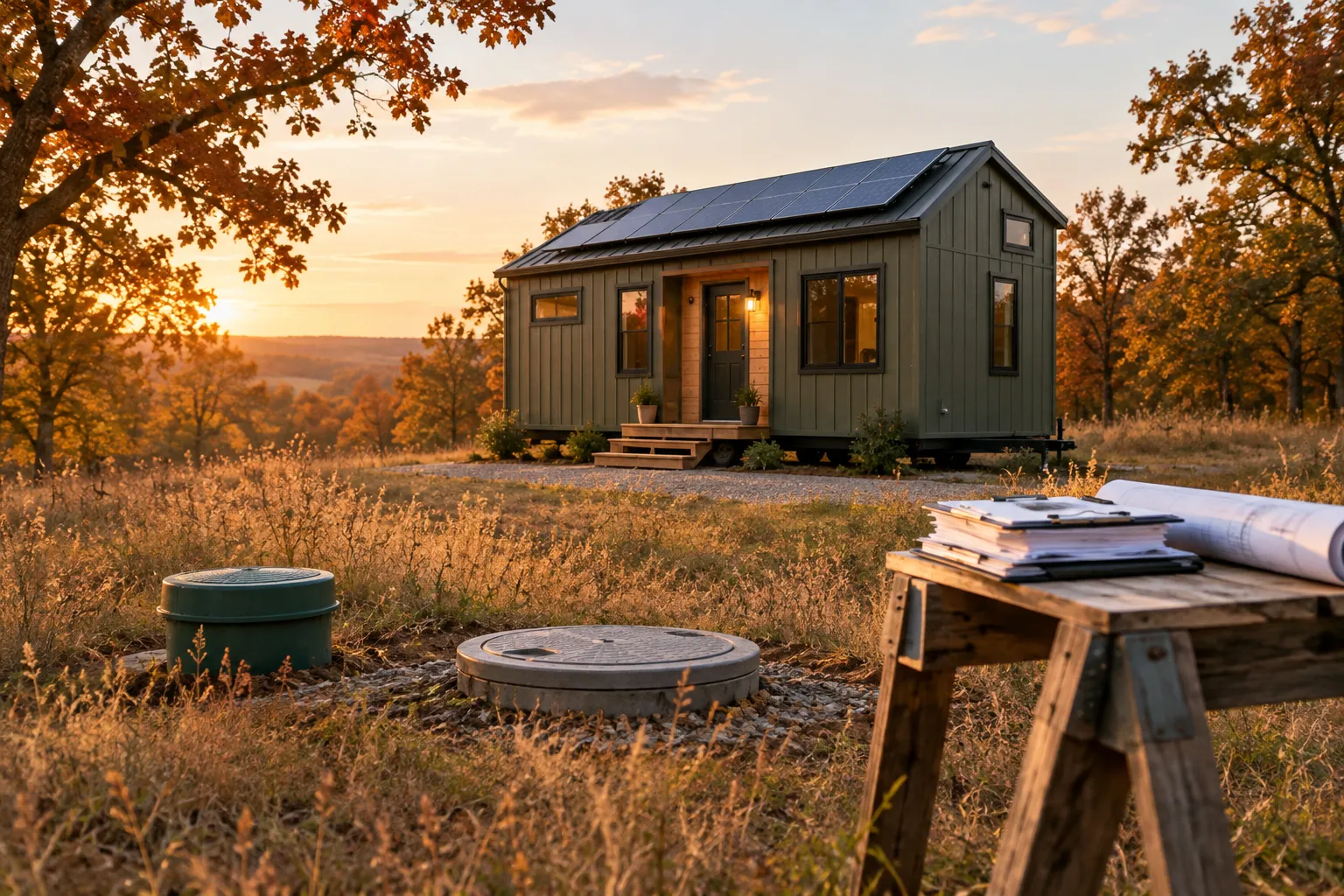
One Missouri resident discovered just how complicated things can become after outlining plans to buy rural land, install a septic system and well, add solar power and propane, and place a factory-built tiny home on the property.
The problem? Local planning and building regulations may stand in the way.
The situation has sparked discussion among off-grid enthusiasts, with online commenters warning that failing to check county rules before buying land or ordering a home can lead to expensive surprises.
The tiny-home dream that could turn into a costly nightmare
For many people, off-grid living represents freedom from rising utility bills, crowded neighbourhoods and the pressures of modern life.
A small home surrounded by open countryside, generating its own electricity and relying on independent water supplies, is an appealing alternative to traditional homeownership.
But while the Missouri resident’s plans may have appeared straightforward, the legal side of the project could prove much more complicated.
The crucial question is whether the property falls under local zoning regulations and building codes.
Missouri does not have one universal residential building code or a single statewide set of rules specifically governing tiny homes. Instead, requirements can vary considerably between counties, towns and cities.
That means a property that appears ideal for an off-grid lifestyle could come with restrictions on the size of a dwelling, where it can be placed and whether it needs to meet particular construction standards.
And discovering those restrictions after spending money on land or a prefabricated home could be an expensive mistake.
One county says yes — another could say no
Missouri’s patchwork of local regulations means tiny-home owners need to do their homework before making any major commitments.
Some counties have relatively few restrictions on construction in unincorporated rural areas, while others enforce planning rules and building standards that can make certain tiny-home projects much harder to approve.
Greene County, for example, applies zoning and building requirements, potentially bringing additional checks and construction standards into the process.
Other areas may have fewer county-level restrictions, although individual towns can still have their own rules.
Minimum dwelling sizes can also vary dramatically. Some locations may permit smaller homes under particular conditions, while others impose substantially larger minimum floor areas for conventional residential properties.
For buyers hoping to squeeze a comfortable life into a compact home, that difference could make or break the entire project.
And it’s not just the building itself that matters. Rules concerning permanent foundations, property boundaries, setbacks and utility connections may also come into play.
In short, buying a plot of rural land does not automatically mean you can build whatever you want on it.
Going off-grid doesn’t mean escaping every rule
There’s another important detail that prospective tiny-home owners need to consider: water and sanitation.
Even in areas with limited zoning or building regulations, private wells and septic systems may still need to comply with applicable health and environmental requirements.
A homeowner might be able to install solar panels and generate electricity independently, but wastewater disposal is a different matter.
Septic systems must be suitable for the property and comply with the relevant standards. Well installations can also be subject to local or state requirements.
Tiny homes on wheels may face additional complications, particularly where local authorities treat them as recreational vehicles rather than permanent residential dwellings.
For anyone hoping to live completely independently, these details are essential.
The last thing a new homeowner wants is to discover that their carefully planned off-grid paradise cannot legally function as a permanent residence.
Five things to check before buying off-grid land
Anyone considering a similar project can reduce the risk of costly setbacks by following a few simple steps before signing on the dotted line.
1. Check the zoning rules. Contact the county planning or zoning office and establish whether the property can legally accommodate the type of home you want.
2. Ask about building permits. Find out whether a permit is required and whether the dwelling must meet minimum size, foundation or construction standards.
3. Investigate water and septic requirements. Speak to the relevant local health department about private wells, wastewater disposal and any necessary approvals.
4. Check the rules for tiny homes on wheels. Do not assume a mobile tiny home can be used as a permanent residence simply because you own the land beneath it.
5. Get the answers in writing. Verbal assurances may not be enough. Request written guidance from the relevant authorities before investing in land, equipment or a prefabricated home.
A little research at the beginning could save buyers thousands of dollars — and prevent their dream home from becoming an expensive piece of property they cannot use as intended.
Could Missouri’s rules change the future of off-grid living?
Interest in tiny homes and self-sufficient living continues to attract people looking for alternatives to conventional housing.
But the Missouri case highlights a persistent challenge: there is no guarantee that the lifestyle someone wants will be permitted on the land they can afford.
For some buyers, the solution may be finding a county with fewer restrictions. For others, adapting the home’s size, foundation or utilities may be necessary to meet local requirements.
There is no one-size-fits-all answer, and the rules can change depending on the exact location.
The bottom line
The appeal of off-grid living is easy to understand: more independence, potentially lower running costs and the chance to create a home away from the hustle and bustle.
But Missouri’s varied county rules serve as a reminder that owning rural land and having permission to live on it are two very different things.
For anyone dreaming of a tiny home powered by sunshine and surrounded by nature, the smartest first step may not be buying solar panels or choosing the perfect cabin.
It may be picking up the phone and speaking to the county office first.
Because when it comes to off-grid living, the biggest obstacle may not be generating your own electricity — it may be getting the green light to build in the first place.