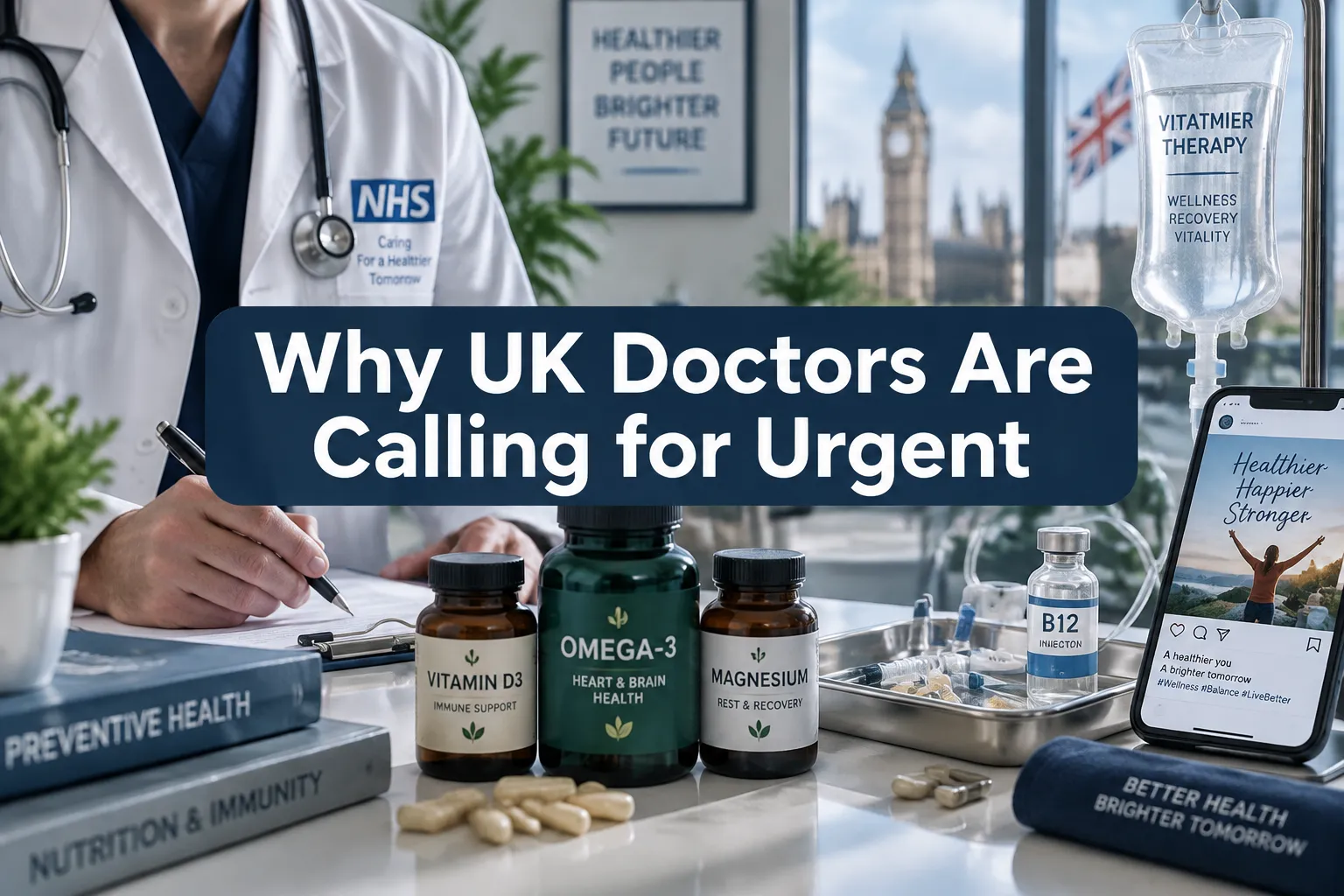
Vitamin drips administered in high street shops. Peptides sold online as “research chemicals” but injected for fat loss. Dermal fillers given by practitioners with no medical training at all. These are not fringe curiosities anymore, they are mainstream purchases, one tap away on a phone screen. This is why UK doctors are calling for urgent regulation of dangerous wellness trends, and why NHS GP Dr Nighat Arif has become one of the loudest voices demanding the government act before more people are harmed.
From extreme detoxes to unregulated vitamin drips flooding social media, the line between genuine mindful health and predatory marketing has blurred. Dr Arif, a familiar face on BBC Breakfast and This Morning and a prominent advocate for women’s health, has warned that some of Britain’s fastest-growing wellness trends are exploiting anxiety rather than improving health, and she wants ministers to close the regulatory gaps that allow this to happen.
Key Takeaways
- Dr Nighat Arif called in September 2026 for statutory regulation of commercial wellness therapies, including IV drips, injectables, and supplement mega-dosing.
- Unregulated Botox and fillers are increasingly described by clinicians as an emerging health crisis, prompting government action on cosmetic procedure safety [1][2].
- The British Medical Association has flagged ultra-processed foods as a structural wellness problem requiring hard regulation, not just public advice [3][6].
- Doctors are also pushing for sunbed bans, tighter rules on online weight-loss drug marketing, and stronger enforcement following the new Tobacco and Vapes Act [4][7].
- Readers can protect themselves by grounding their routines in evidence-based habits, sleep, nutrition, and movement, rather than costly, unverified wellness products.
The Wellness Industry’s Blurred Lines: Why UK Doctors Are Calling for Urgent Regulation of Dangerous Wellness Trends
Wellness used to mean sleep, exercise, and sensible eating. Today it often means a menu of commercial interventions marketed with clinical-sounding language but sold entirely outside clinical oversight. Private IV vitamin drips, biohacking gadgets, and mega-dose supplement stacks are promoted on Instagram and TikTok by influencers with no medical qualifications [9]. Many of these products are legal to sell but were never designed, or tested, for the uses being promoted.
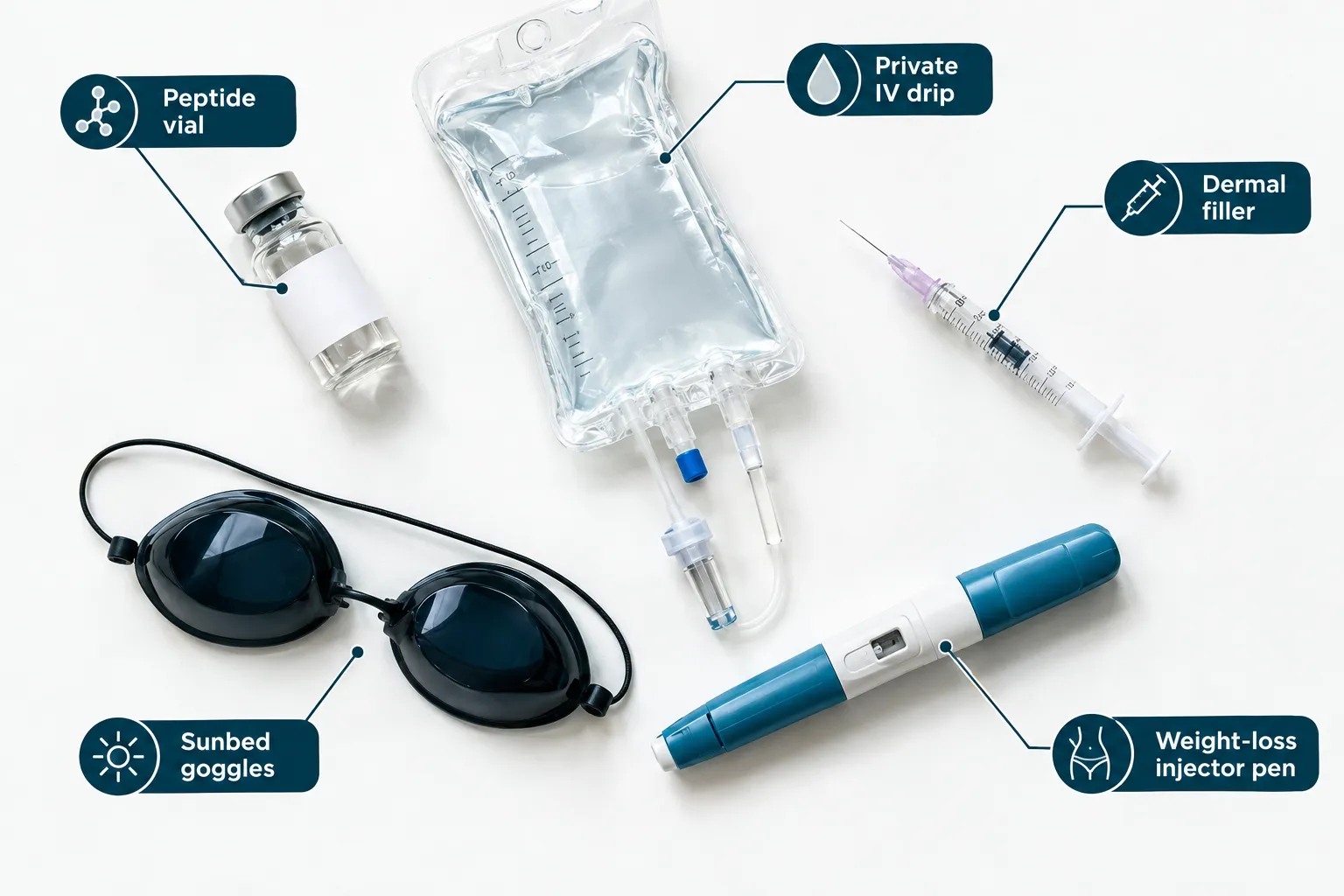
This is precisely why UK doctors are calling for urgent regulation of dangerous wellness trends: the products exist in a grey zone. They are not classed as medicines, so they escape the scrutiny that medicines require, yet they are marketed with the same promises of transformed health, energy, or appearance.
Dr Nighat Arif’s Warning on Unregulated Wellness Procedures
Dr Arif’s September 2026 comments centred on a simple observation: patients, particularly women navigating hormonal changes such as perimenopause, are increasingly turning to unproven commercial fixes instead of evidence-based care. She described a rising pattern of consumers seeking out private IV drips, unverified biohacking tools, and mega-dosed supplements marketed as shortcuts to better hormonal balance, energy, or skin health.
Her concern is not that people want to feel better, it is that the industry selling these solutions operates with almost no licensing requirements. Anyone can rent a room and offer an IV drip or injectable treatment without the medical training that would be mandatory in a hospital setting. Dr Arif’s call adds a respected clinical voice to a broader campaign among NHS bodies and medical associations pushing for tighter statutory oversight of these services [10].
From Peptides to Fillers: The Riskiest Wellness Trends Under Scrutiny
Several specific trends are drawing the sharpest criticism from British physicians.
Unregulated Botox and Fillers
Cosmetic injectables administered by unqualified practitioners have been labelled an emerging health crisis by clinicians, prompting the government to announce a crackdown on unsafe cosmetic procedures [1]. Parliamentary figures, including Lucy Powell, have raised the issue directly, calling for licensing requirements that currently do not exist for many providers [2].
Weight-Loss Drugs Marketed as Wellness Shortcuts
Injectable weight-loss medications, increasingly sold through online pharmacies and unverified websites, are being promoted as easy wellness fixes rather than medically supervised treatments, raising urgent calls for regulation [5].
Tanning and Sunbeds
NHS clinicians in Manchester and elsewhere have called for outright bans on sunbeds, citing rising melanoma rates tied to tanning marketed as a wellness or confidence boost [4].
Ultra-Processed Foods as a Structural Problem
The BMA has gone further than lifestyle advice, describing ultra-processed foods as a structural wellness problem that demands hard regulatory action such as reformulation targets and marketing limits, not just individual willpower [3][6].
| Trend | Main Risk | Doctor Response |
|---|---|---|
| Unregulated fillers/Botox | Infection, disfigurement | Licensing crackdown [1][2] |
| Online weight-loss drugs | Unsupervised dosing | Urgent regulation calls [5] |
| Sunbeds/tanning | Skin cancer | Ban proposals [4] |
| Ultra-processed foods | Chronic disease | Structural regulation [3][6] |
| Vaping “wellness” culture | Youth addiction | New Tobacco and Vapes Act [7] |
How the UK Is Responding: The Push Behind Regulation of Dangerous Wellness Trends
Government and medical bodies are not standing still. The new Tobacco and Vapes Act targets youth vaping culture that has been marketed under a wellness banner [7]. The Department of Health and Social Care has signalled ongoing work on cosmetic procedure safety through 2026 [8]. The BMA continues to press for regulation covering NHS-adjacent management structures and wider health system accountability, arguing that consistent oversight protects patients across every corner of the healthcare landscape, including private wellness clinics [10].
Taken together, these efforts show why UK doctors are calling for urgent regulation of dangerous wellness trends as a coordinated, sector-wide priority rather than a series of isolated complaints.
Mindful Living: How to Spot Genuine Health Habits vs Predatory Fads
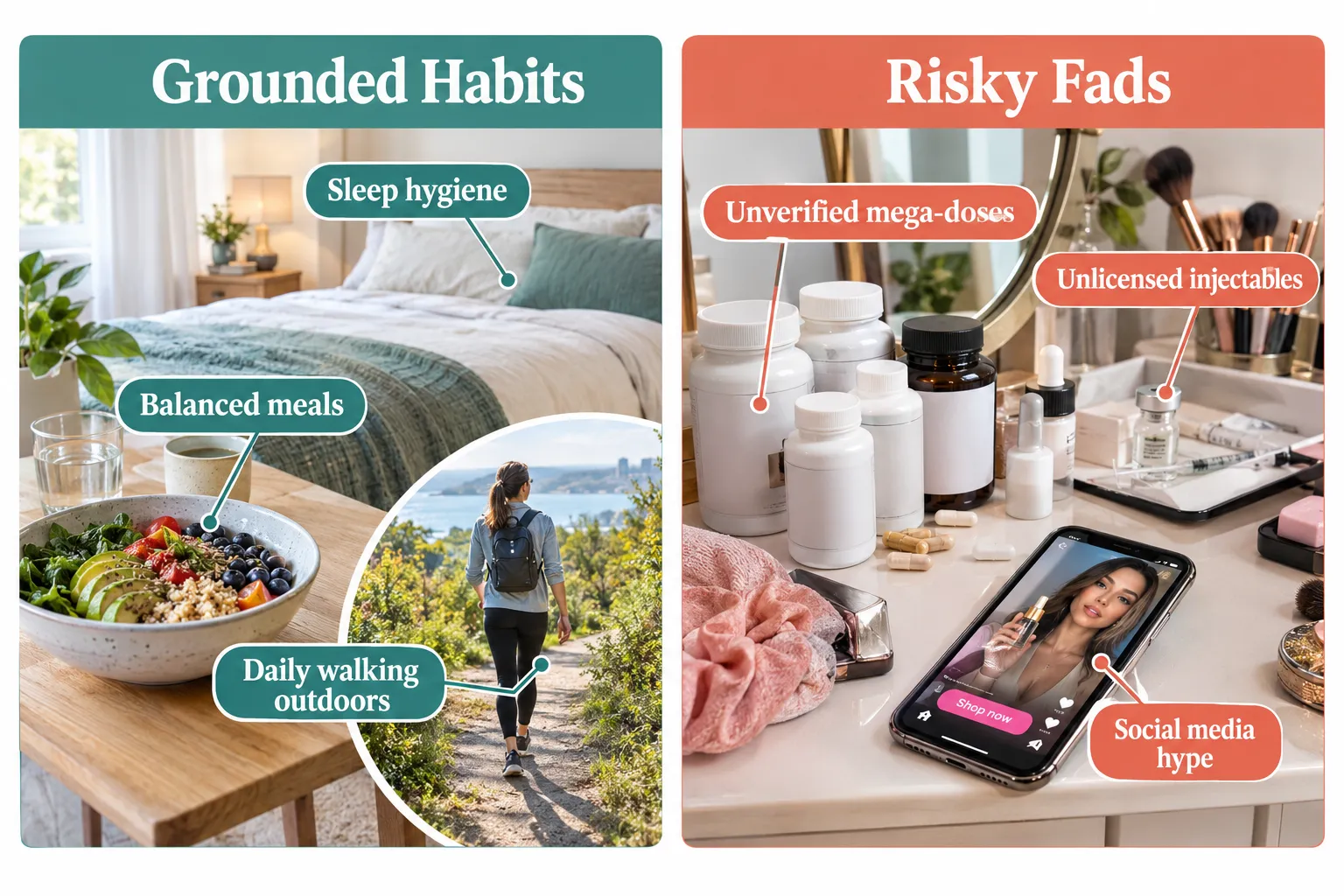
Doctors like Dr Arif are not against wellness, they are against exploitation dressed up as wellness. Genuine, evidence-based habits share a few traits: they are boring, repeatable, and inexpensive.
Signs of a grounded, mindful practice:
- Consistent sleep schedule and wind-down routine
- Balanced meals built around whole foods, not powders
- Regular natural movement such as walking or strength training
- Advice sourced from a GP or regulated specialist
Warning signs of a predatory wellness fad:
- Promises of rapid transformation or “detox”
- Products sold primarily through influencer marketing
- No licensing, training disclosure, or clinical evidence
- High cost paired with vague health claims
“The goal isn’t more wellness products, it’s better-informed choices,” is the underlying message doctors are trying to send to a public bombarded with marketing.
Conclusion
The evidence is consistent across cosmetic clinics, online pharmacies, sunbed salons, and supermarket shelves: unregulated wellness products are reaching consumers faster than safety oversight can keep up. This is the core reason why UK doctors are calling for urgent regulation of dangerous wellness trends, and Dr Nighat Arif’s warning adds urgency to a campaign already backed by the BMA, NHS clinicians, and lawmakers.
For readers, the practical takeaway is simple: treat viral wellness claims with the same scepticism as any unproven medical treatment. Prioritise sleep, balanced nutrition, and movement. Ask whether a practitioner is licensed before booking an injectable treatment. And support policy efforts pushing for statutory licensing across the wellness industry, because until regulation catches up, personal caution remains the strongest available protection.
References
[1] Crackdown On Unsafe Cosmetic Procedures To Protect The Public – https://www.gov.uk/government/news/crackdown-on-unsafe-cosmetic-procedures-to-protect-the-public [2] Government Conservative Lucy Powell Botox Uk Parliament B2680801 – https://www.independent.co.uk/news/uk/government-conservative-lucy-powell-botox-uk-parliament-b2680801.html [3] Doctors Warn That Ultra Processed Foods Are Contributing To Rising Levels Of Preventable Diseases And Obesity – https://www.bma.org.uk/bma-media-centre/doctors-warn-that-ultra-processed-foods-are-contributing-to-rising-levels-of-preventable-diseases-and-obesity [4] Ban Sunbeds Doctors Nhs Manchester Melanoma Skin Cancer – https://www.thesun.co.uk/health/36884028/ban-sunbeds-doctors-nhs-manchester-melanoma-skin-cancer/ [5] Doctors Issue Urgent Warning Popular 33468791 – https://www.dailyrecord.co.uk/news/health/doctors-issue-urgent-warning-popular-33468791 [6] Bma Embargo Ultra Processed Food Report Final – https://www.bma.org.uk/media/v34b4qyq/bma-embargo-ultra-processed-food-report-_final.pdf [7] Cdr268m5pxro – https://www.bbc.co.uk/news/articles/cdr268m5pxro [8] healthmedia.blog.gov.uk – https://healthmedia.blog.gov.uk/2026/06/ [9] Wellness Influencers Supplements Instagram Tiktok M8dh2ws39 – https://www.thetimes.com/uk/healthcare/article/wellness-influencers-supplements-instagram-tiktok-m8dh2ws39 [10] East Lancashire The Regulation Of Nhs Managers Is Urgent – https://www.bma.org.uk/news-and-opinion/east-lancashire-the-regulation-of-nhs-managers-is-urgent


