Millions of people are now tracking their sleep like an athletic performance, complete with nightly scores, morning grades, and a growing shelf of supplements promising deeper rest. Yet the very trend built to fix sleep problems is triggering new ones. According to sleep specialists interviewed throughout 2026, the ‘sleepmaxxing’ trend could actually make it harder to sleep, expert says warnings that are becoming harder to ignore as anxiety around sleep scores climbs.
Sleepmaxxing has exploded across TikTok and other platforms, especially among Gen Z and Millennials, who stack multiple sleep “hacks”, mouth taping, magnesium supplements, rigid nighttime routines, and constant sleep-tracker monitoring, in pursuit of the perfect night’s rest [3][6][7][9][13]. But clinicians say this intensive, performance-driven approach to sleep is backfiring for many users.
Key Takeaways
- The ‘sleepmaxxing’ trend could actually make it harder to sleep, expert says, because obsessive tracking and rigid routines can fuel anxiety instead of rest [1][2].
- Popular sleep scores are not a recognized clinical measurement; one expert calls them “completely made up” by device makers [3].
- Trying too hard to fall asleep can worsen insomnia because sleep requires relaxation, not effortful control [2].
- The obsession with flawless sleep has a clinical name, orthosomnia, and it is a growing concern among sleep doctors [3][7][12][14].
- Experts recommend consistent sleep schedules, limited screen time, and stepping away from trackers that cause stress, rather than chasing higher scores [1][2][3][10][14].
Why the ‘Sleepmaxxing’ Trend Could Actually Make It Harder to Sleep, Expert Says
Sleepmaxxing is more than basic sleep hygiene. It is an intensive, almost competitive approach to rest, where users combine tracking devices, supplements, and strict routines to squeeze out every possible minute of quality sleep [1][3][7][13]. Clinical psychologist Shelby Harris told NewsNation on September 20, 2026, that this often turns into a “hyper-fixation” on sleep hygiene and daytime habits meant to optimize nighttime rest [1].
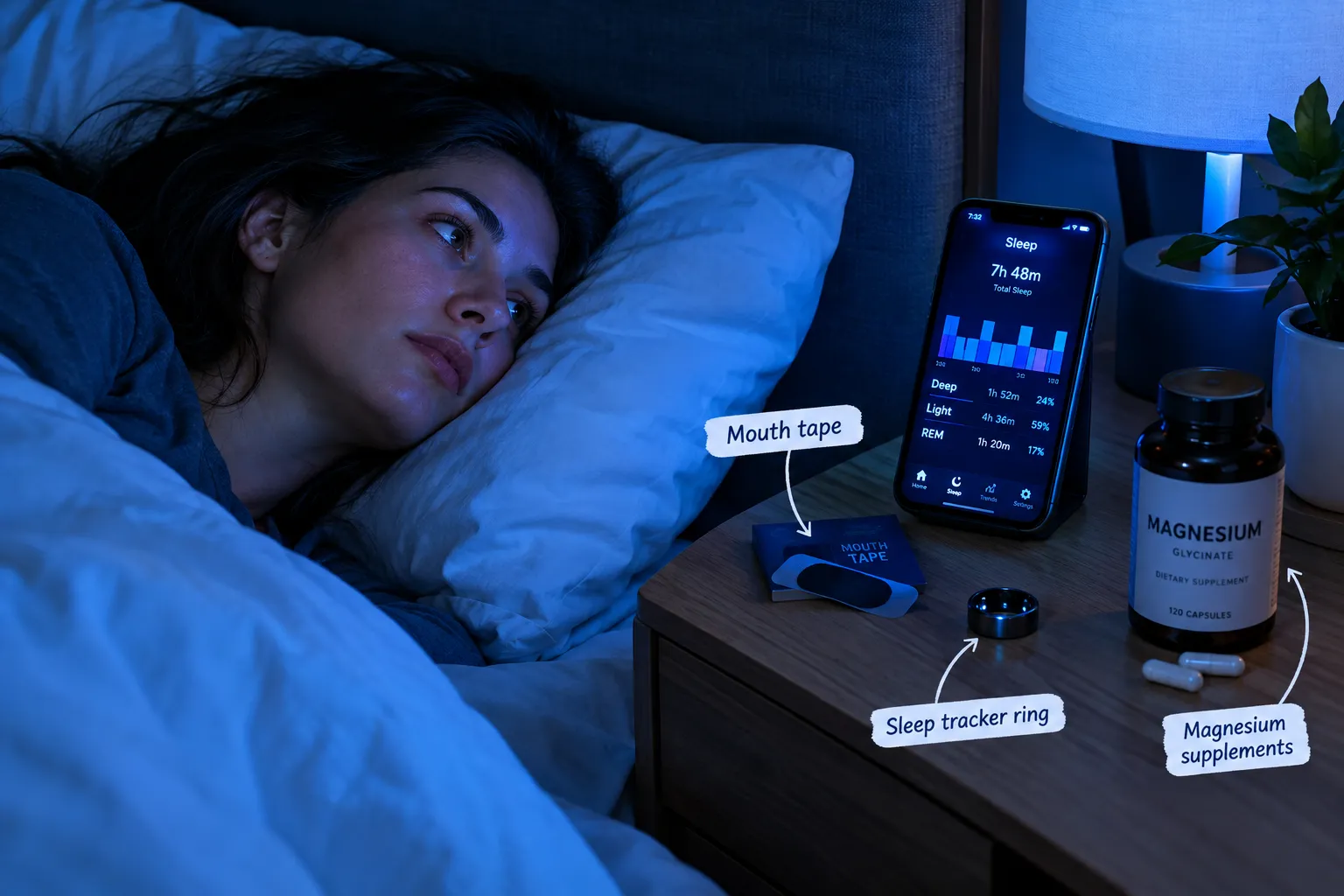
The problem, Harris explains, is that this level of obsession can work against the goal. When people let a device’s nightly sleep score dictate their mood, energy, and daily decisions instead of listening to how their body actually feels, the tracker “is not for you” and may need to be ditched entirely [1].
Doctors at Yale’s Sleep Medicine Program echoed this warning in mid-September 2026. Dr. Henry Yaggi noted that people have become “way, way, way too preoccupied with obtaining perfect sleep,” a mindset that often leads to spending excessive time in bed, which paradoxically reduces sleep efficiency and worsens rest [2]. His colleague, Dr. Thau, put it bluntly: “You cannot force yourself to fall asleep.” The harder someone tries, the more they “shoot themselves in the foot,” because falling asleep requires letting go, not effortful control [2].
The Sleep Score Problem Behind the Trend
A major driver of sleepmaxxing behavior is the nightly “sleep score” generated by wearables and apps. But these scores are not part of any standard clinical framework [3][6][14]. Dr. Alanna Hare, a consultant in sleep medicine at London’s Royal Brompton Hospital, told the BBC that these scores are “completely made up” by device manufacturers, with no grounding in established sleep science [3].
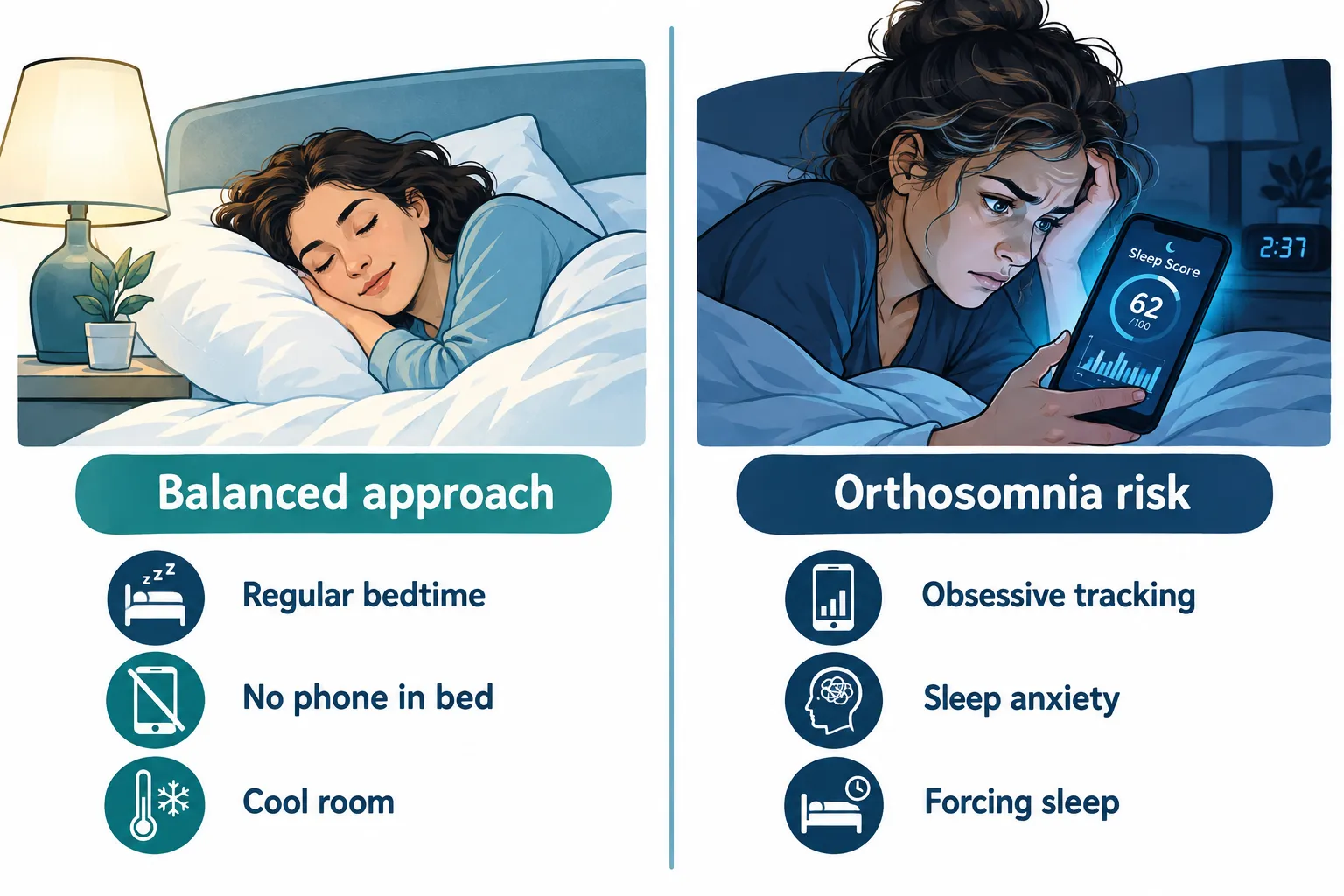
This matters because many people treat their sleep score as medical fact rather than a rough estimate. Experts warn that this can encourage a condition called orthosomnia, an unhealthy fixation on achieving perfect sleep [3][6][14]. Dr. Lee, describing the condition in May 2026, explained that orthosomnia is a clinically recognized issue where the obsession with sleep quality itself becomes the thing keeping people awake, undermining the relaxed mental state sleep actually requires [12].
The irony, according to multiple September 2026 reports, is sharp: the more people chase flawless scores and rigid routines, the worse their real-world sleep tends to become [3][7][12][14].
How Sleep Trackers Cut Both Ways
Wearables and apps are not inherently bad. For some users, they raise helpful awareness about patterns and habits. But for many sleepmaxxing participants, they become a significant source of stress [1][3][8][10].
Dr. Zoe Williams has warned that fixation on gadgets and supplements can trigger orthosomnia, where a poor tracker reading makes someone feel terrible even though their actual sleep was objectively fine [8]. Harvard-linked experts cited alongside her caution echoed the same concern: stress about hitting a “perfect” score can directly harm sleep quality, creating a self-defeating cycle [8][14].
| Sleepmaxxing Behavior | Intended Goal | Potential Downside |
|---|---|---|
| Nightly sleep score checking | Track sleep quality | Can trigger orthosomnia and anxiety [3][8] |
| Mouth taping | Improve breathing/reduce snoring | Limited evidence; not endorsed by all experts [9] |
| Excess time in bed | Maximize total sleep | Reduces sleep efficiency [2] |
| Supplement stacking | Fall asleep faster | Rarely delivers guaranteed results [9][11] |
Specific Hacks Under Scrutiny
Mouth taping, one of the most viral sleepmaxxing practices, is drawing particular skepticism from sleep-medicine specialists [6][9][14]. In USA Today’s August 5, 2026 coverage, sleep expert Jonathan Kuhlmann said he does not endorse mouth taping, noting that research on it remains limited and there is little evidence it should become a standard sleep practice [9].
Other analyses caution against treating real sleep disorders, like insomnia or sleep apnea, as simple “app problems” that hacks can fix. Doing so risks masking symptoms and delaying proper medical treatment for conditions that need clinical attention [6][14].
The Growing Business of Sleep Optimization
Sleepmaxxing has also become big business. Younger adults are spending heavily on mattresses, wearable tech, supplements, and specialized “sleep optimization” services, contributing to what some commentators call an “eight-hour economy” [9][11]. A mid-August 2026 analysis noted the market is shifting from passive tracking toward active interventions tied to hormones and circadian rhythms.
However, doctors caution that products promoted by influencers rarely deliver the instant, guaranteed results they promise, and can reinforce unrealistic expectations about what sleep should look like [9][11][14].
A Climate Complication
Not every sleep problem can be solved with a gadget. A September 2, 2026 report pointed out that one of the simplest, most evidence-backed sleep practices, a cool bedroom, is becoming harder to achieve as nighttime temperatures rise globally [15]. This “climate reality check” suggests that sleepmaxxing routines cannot fully compensate for persistent heat disrupting rest, since some sleep problems are structural rather than fixable through more optimization [15].
A Global Trend With Consistent Warnings
Sleepmaxxing is not confined to one country. Reporting from the UK, South Korea, Thailand, Indonesia, and India throughout September 2026 shows the trend spreading worldwide [3][4][5][7][13]. Dr. Anita Shelgikar of the University of Michigan describes sleepmaxxing as clustering multiple products and hacks together to optimize sleep, while warning that many of these practices lack strong scientific backing. Overdoing them, she says, risks turning normal concerns about rest into genuine health anxiety and orthosomnia [13][3][5].
What Experts Recommend Instead
Across nearly every source examined, sleep clinicians land on the same advice: shift from perfectionism to balance. Recommended habits include:
- Keeping a consistent sleep and wake time every day [1][2][3]
- Limiting time in bed strictly to actual sleep, not scrolling or resting [2]
- Reducing screen exposure before bedtime [10][14]
- Stepping away from trackers or routines that cause stress rather than comfort [1][3][10]
- Addressing underlying medical issues, such as sleep apnea, anxiety, or depression, with a qualified professional instead of relying on hacks [2][3][12][14]
As one expert summarized, sleep cannot be forced or gamified. Chasing an ever-higher sleep score is far less effective than focusing on relaxation, realistic expectations, and treating root causes of poor rest [2][3][12][14].
Conclusion
The evidence is consistent: the ‘sleepmaxxing’ trend could actually make it harder to sleep, expert says, and that warning applies whether the obsession involves mouth tape, magnesium, or a smartwatch’s nightly grade. Sleep is not a metric to optimize through sheer effort, it is a biological process that improves when the mind and body are allowed to relax, not monitored into anxiety.
Anyone struggling with sleep should start small: set a consistent bedtime, get out of bed if lying awake for long stretches, and limit how much a tracker’s score influences daily mood. If sleep problems persist despite these changes, a conversation with a doctor or sleep specialist is far more valuable than another supplement or gadget. Real rest comes from letting go, not from chasing a perfect number.
References
[1] Sleepmaxxing Wellness Trend – https://www.newsnationnow.com/health/sleepmaxxing-wellness-trend/ [2] Sleepmaxxing Connecticut Doctors Explained 22335877 – https://www.ctinsider.com/living/article/sleepmaxxing-connecticut-doctors-explained-22335877.php [3] C99drr70m2eo – https://www.bbc.com/news/articles/c99drr70m2eo [4] biz.heraldcorp – https://biz.heraldcorp.com/article/10863993 [5] C1l6jpq9430o – https://www.bbc.com/thai/articles/c1l6jpq9430o [6] What Sleepmaxxing Means And Why Your Sleep Score Is Making You Tired – https://zloppy.com/article/what-sleepmaxxing-means-and-why-your-sleep-score-is-making-you-tired [7] Obsessed With Your Sleep Score How Sleepmaxxing Could Be Making Your Nights Worse.amp – https://www.theweek.in/news/health/2026/09/08/obsessed-with-your-sleep-score-how-sleepmaxxing-could-be-making-your-nights-worse.amp.html [8] Dr Zoe Health Warning People 37642964 – https://www.mirror.co.uk/news/health/dr-zoe-health-warning-people-37642964 [9] usatoday – https://www.usatoday.com/story/money/personalfinance/2026/08/05/gen-z-millennials-pay-optimize-sleep-sleepmaxxing/91077115007/ [10] The Rise Of Sleepmaxxing Why People Are Obsessed With Better Sleep – https://abc17news.com/news/2026/08/06/the-rise-of-sleepmaxxing-why-people-are-obsessed-with-better-sleep/


