
A $6.8 trillion global industry now rests on a simple but uncomfortable premise: that feeling better is worth almost any price [8]. Cold plunge tubs, infrared saunas, breathwork retreats, and stacked supplement regimens have all become symbols of self-care. The science behind many of them is real. But the question “Most Wellness Trends Aren’t Wrong, But Are They Worth the Cost?” is less about whether these practices work and more about whether their price tag, in dollars, time, and mental energy, actually earns its keep.
The honest answer is that most wellness trends aren’t wrong. They’re just not always worth it.
Key Takeaways
- Wellness spending has grown into a $6.8 trillion global economy, expanding faster than GDP in most countries [8].
- A $5,000 cold plunge setup and a free cold shower trigger similar physiological stress responses, making cost the real differentiator, not effectiveness.
- An hour-long breathwork class and five minutes of daily mindful breathing can produce comparable calming effects, but one costs significantly more time and money.
- Stacking expensive longevity supplements often delivers diminishing returns compared to prioritizing free, foundational habits like consistent sleep.
- Six major wellness sectors are projected to each surpass $1 trillion by 2029, meaning high-cost trends are unlikely to disappear soon [8].
The $6.8 Trillion Question Behind Most Wellness Trends
Market researchers don’t fully agree on the exact size of the wellness economy, but they agree on one thing: it’s growing fast [2][3][4]. The Global Wellness Institute pegs the figure at $6.8 trillion, with growth consistently outpacing global GDP [1][8]. Spending is also heavily concentrated in wealthier markets, which raises real questions about access and affordability [9].
Much of the fastest growth is happening in physical products, especially beauty and wellness items, where benefits are often indirect, subjective, or hard to measure against cost [10]. That’s a critical detail. When spending shifts from proven basics toward products promising transformation, the “Most Wellness Trends Aren’t Wrong, But Are They Worth the Cost?” question becomes harder to answer with confidence.
Structural forces are also pushing people toward wellness spending regardless of efficiency. Workplace stress, chronic disease rates, and social media’s constant visibility of “optimized” routines all nudge consumers toward buying their way to better health [6]. Analysts expect this trend to keep climbing into the mid-2030s, meaning expensive wellness habits are not a passing phase, they’re becoming permanent fixtures of modern life [6].
Cold Exposure: Comparing the $5,000 Setup to a Free Cold Shower
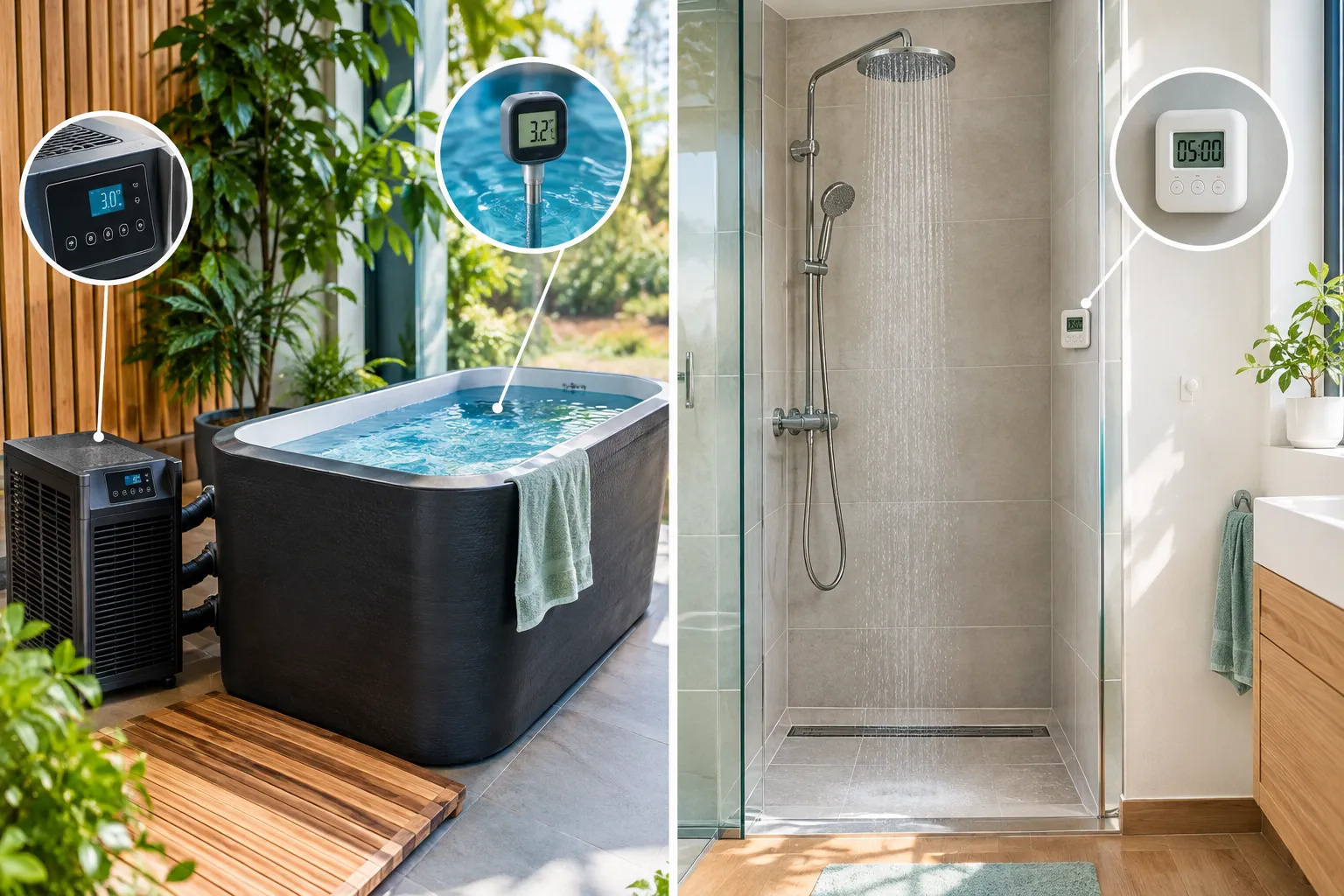
Cold exposure is a good case study for mindful consumption. A home cold plunge system with chiller, filtration, and insulation easily runs $5,000 or more. A daily cold shower costs nothing beyond the water already running through the pipes.
Physiologically, both trigger similar stress-adaptation responses, mood lift, alertness, and circulation changes. The plunge offers more precise temperature control and a dedicated ritual space. The shower offers nearly the same biological trigger for zero dollars. For most people without a specific performance goal, the shower delivers comparable return on investment without the five-figure price tag or plumbing upgrade.
Breathwork Classes Versus Five Minutes of Daily Breathing
An hour-long guided breathwork class, often priced between $25 and $75 per session, delivers structure, community, and a deeper reset. But five minutes of slow, mindful breathing, done daily, at home, for free, activates the same nervous system pathways tied to stress reduction.
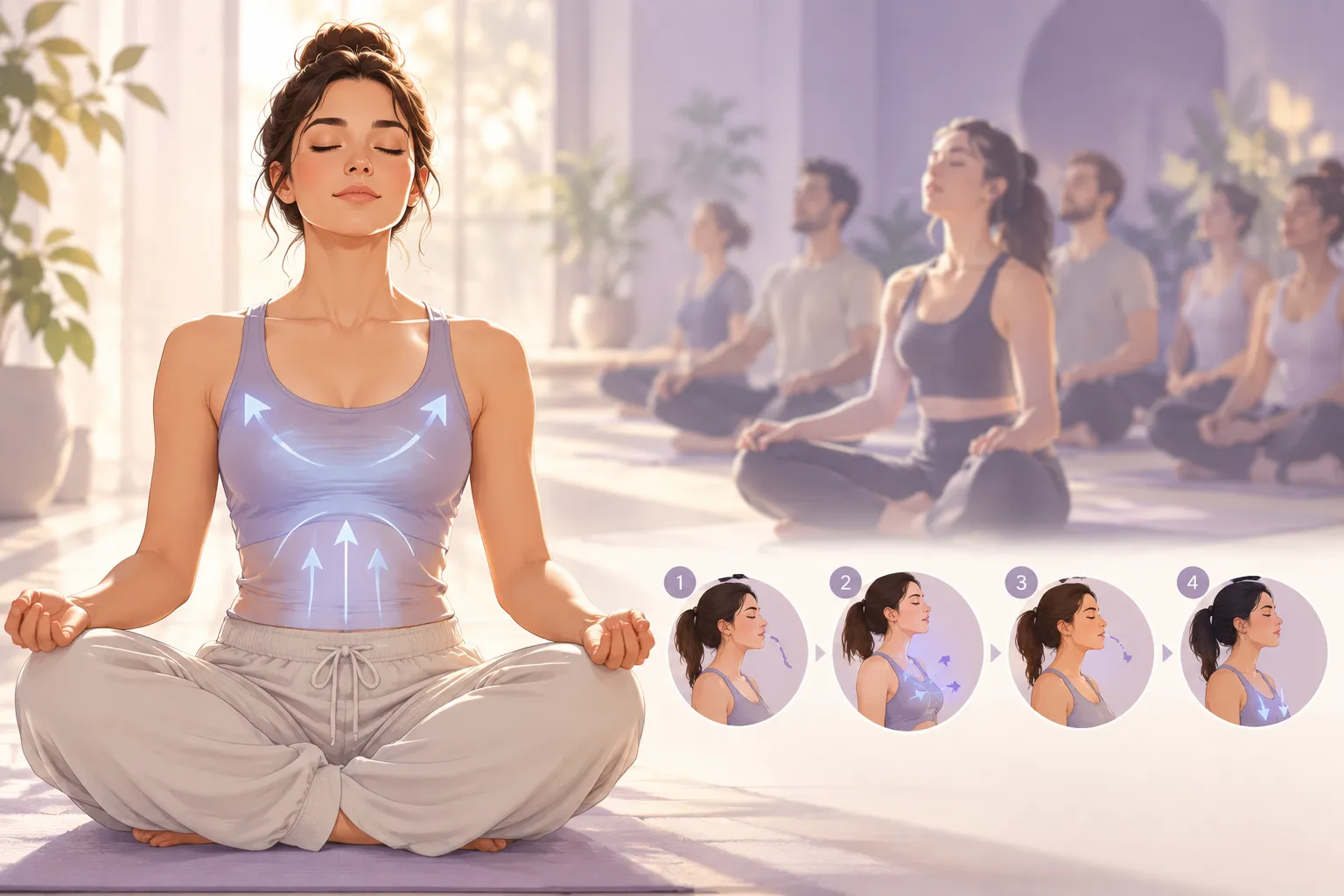
The time-cost math matters here. A weekly class consumes roughly four hours a month, including travel. A daily five-minute practice totals about two and a half hours over the same period, with zero commute and zero fee. Consistency, not duration, tends to drive the benefit, which tilts the value equation firmly toward the simpler habit.
Why Longevity Supplement Stacks Often Underperform
Supplement stacking has become a signature wellness behavior, layering multiple pills marketed around cellular aging, inflammation, or energy. Individually, some ingredients have supporting research. But stacked together, costs climb into hundreds of dollars monthly, while the added benefit of each new pill shrinks.
Sleep, by contrast, is free and foundational. Poor sleep undermines metabolism, immune function, and mood regardless of what supplements sit on the counter. Prioritizing consistent, quality sleep before adding another capsule to the stack almost always produces a better cost-to-benefit ratio.
Is It Worth the Cost? A Framework for Smarter Wellness Spending
Three questions help cut through the noise:
- Does this trend offer a meaningfully different benefit than a free or low-cost alternative?
- What is the realistic time commitment, including travel and setup, not just the advertised session length?
- Would the same money produce more health value if spent on sleep, movement, or basic nutrition instead?
With consumer-facing wellness now worth roughly $2 trillion and skewing toward younger buyers eager to spend on self-optimization, these questions matter more than ever [9]. Evidence-backed basics and speculative premium products increasingly sit side by side, and only a clear framework separates genuine upgrades from expensive duplicates.
Most wellness trends aren’t wrong, but are they worth the cost? Often, not entirely. The science behind cold exposure, breathwork, and targeted supplementation is frequently sound. The real variable is whether the premium version delivers enough extra benefit to justify its price in money, time, and attention.
Start by auditing current wellness spending against free alternatives: a cold shower, a five-minute breathing practice, a consistent bedtime. Reserve premium spending for trends that demonstrably outperform the free version for personal goals. That shift turns wellness from a status purchase into a genuinely high-return investment.
References
[1] Global Wellness Institute Unveils New Data On The Wellness Markets Of 145 Countries – https://globalwellnessinstitute.org/press-room/press-releases/global-wellness-institute-unveils-new-data-on-the-wellness-markets-of-145-countries/ [2] Health And Wellness Market 110596 – https://www.fortunebusinessinsights.com/health-and-wellness-market-110596 [3] Health And Wellness Market – https://www.mordorintelligence.com/industry-reports/health-and-wellness-market [4] Health And Wellness Market – https://www.precedenceresearch.com/health-and-wellness-market [6] Future Of Wellness Trends – https://www.mckinsey.com/industries/consumer-packaged-goods/our-insights/future-of-wellness-trends [8] The Global Wellness Economy Hits A Record 6 8 Trillion And Is Forecast To Reach 9 8 Trillion By 2029 302615214 – https://www.prnewswire.com/news-releases/the-global-wellness-economy-hits-a-record-6-8-trillion-and-is-forecast-to-reach-9-8-trillion-by-2029–302615214.html [9] The Global Wellness Economy – https://globalwellnessinstitute.org/industry-research/the-global-wellness-economy/ [10] Beauty And Wellness Products Market 108456 – https://www.fortunebusinessinsights.com/beauty-and-wellness-products-market-108456


