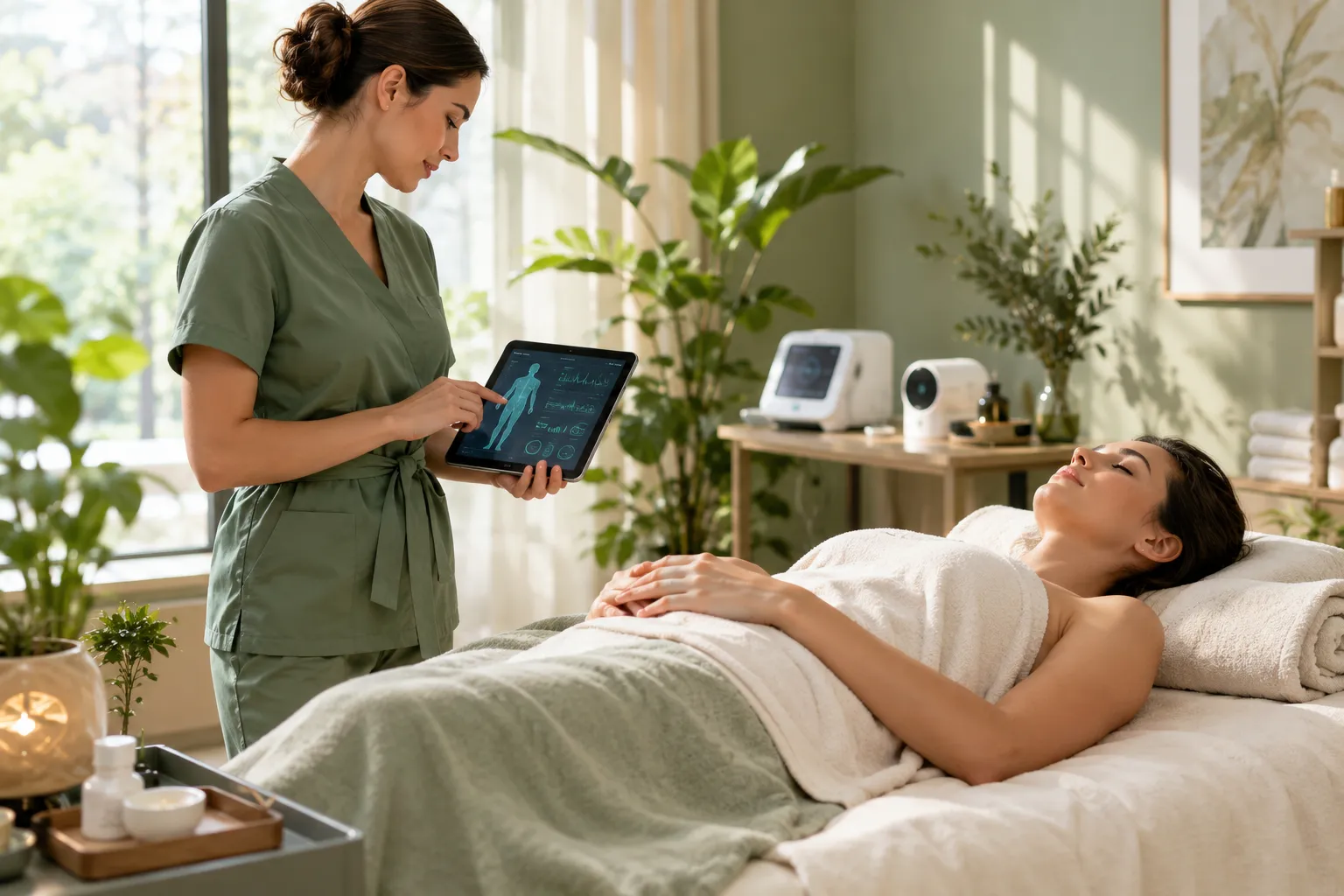
Nearly three out of four wellness professionals surveyed for a new industry forecast picked the same answer when asked what will define the next three years: longevity. That single data point, drawn from practitioners working directly with clients rather than analysts working from spreadsheets, is the headline finding behind the Wellness Trends Report debuted by Live Love Spa, sourced directly from the industry’s front lines, names longevity the #1 trend through 2028 [1]. Released on September 24, 2026, the report reframes what “wellness” means for millions of consumers heading into the back half of this decade.
Unlike many forecasts built on consumer polling alone, this one draws its data from spa owners, therapists, and wellness operators who see client demand shift in real time. Their consensus points to a fundamental change in why people seek wellness services at all.
Key Takeaways
- The Wellness Trends Report debuted by Live Love Spa, sourced directly from the industry’s front lines, names longevity the #1 trend through 2028, with 74% of surveyed professionals ranking it the top growth area [1].
- Ten major trends were identified for the 2026-2028 outlook, spanning diagnostics, personalization, and social wellness [1].
- A separate industry survey found 84% of respondents see longevity and healthy aging as the dominant business opportunity going forward [1].
- Burnout is a major demand driver, with 76% of adults reporting they feel burned out, pushing people toward preventative rather than reactive care [4].
- The global wellness economy is projected to approach roughly $9 trillion by 2028, giving longevity-focused services a massive addressable market [1].
What the Wellness Trends Report Debuted by Live Love Spa Reveals About Longevity
The report’s central claim is straightforward: longevity has moved from a niche interest among biohackers to the primary growth driver across the entire wellness sector. Professionals surveyed did not simply note rising interest in anti-aging treatments. They described a broader mindset shift among clients, from wanting to look younger to wanting to live better for longer [1].
This distinction matters. Looking younger implies a cosmetic goal tied to appearance. Living better, longer implies a functional goal tied to energy, mobility, and mental clarity. Spa operators contributing to the report said clients increasingly ask about diagnostics, biomarker testing, and personalized protocols rather than a single spa day designed for temporary relaxation [1].
That mindset shift aligns with findings from a separate survey in which 84% of wellness industry respondents identified longevity and healthy aging as the dominant opportunity for future growth [1]. When two independently sourced surveys point to the same conclusion, the trend becomes harder to dismiss as a passing fad.
The Ten Trends Shaping the 2026-2028 Outlook
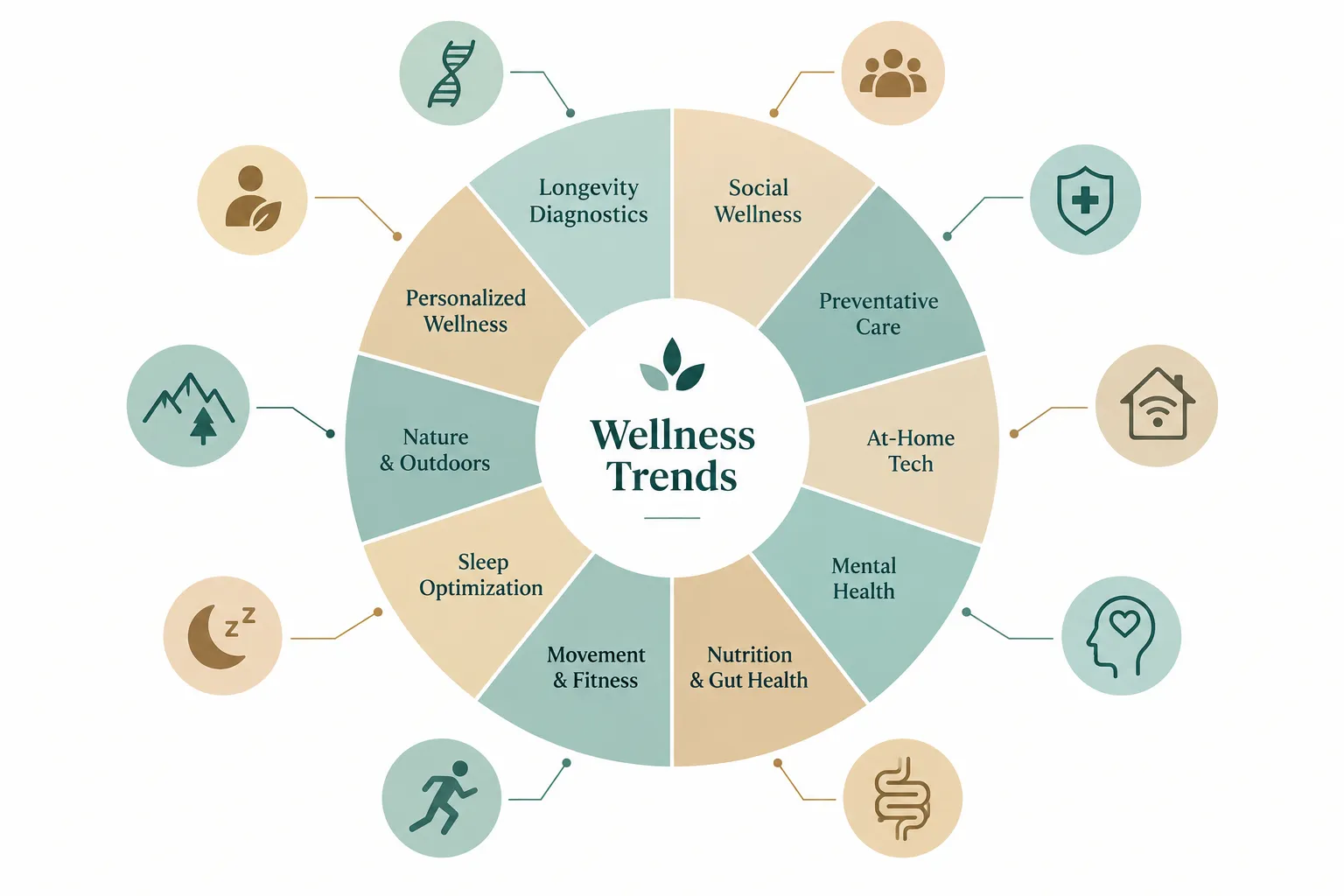
Beyond the top-line longevity finding, the report outlines ten leading trends expected to shape consumer behavior and business strategy through 2028. While the full list covers a range of services, several themes stand out:
- Proactive and preventative care replacing reactive treatment models
- Personalized wellness protocols based on individual diagnostics
- Integration of at-home technology with in-clinic services
- Social and communal wellness experiences built around shared events
- Increased demand tied to widespread burnout and stress management
Industry voices quoted in coverage of the report describe longevity not as an isolated service category but as an integrated, holistic lifestyle approach that touches fitness, nutrition, mental health, and social connection simultaneously, a framing echoed by longevity-focused outlet Ageist [1]. This holistic framing explains why the report treats longevity as a lens applied across all ten trends rather than a standalone item on the list.
Why Burnout and Hospitality Trends Are Fueling Longevity Demand
Burnout is doing much of the work behind this shift. A separate industry report found that 76% of adults report feeling burned out, a statistic that helps explain why consumers are gravitating toward longevity-oriented services rather than one-off indulgences [4][6]. Chronic exhaustion pushes people to seek sustainable solutions instead of temporary fixes, and the wellness industry is responding accordingly.
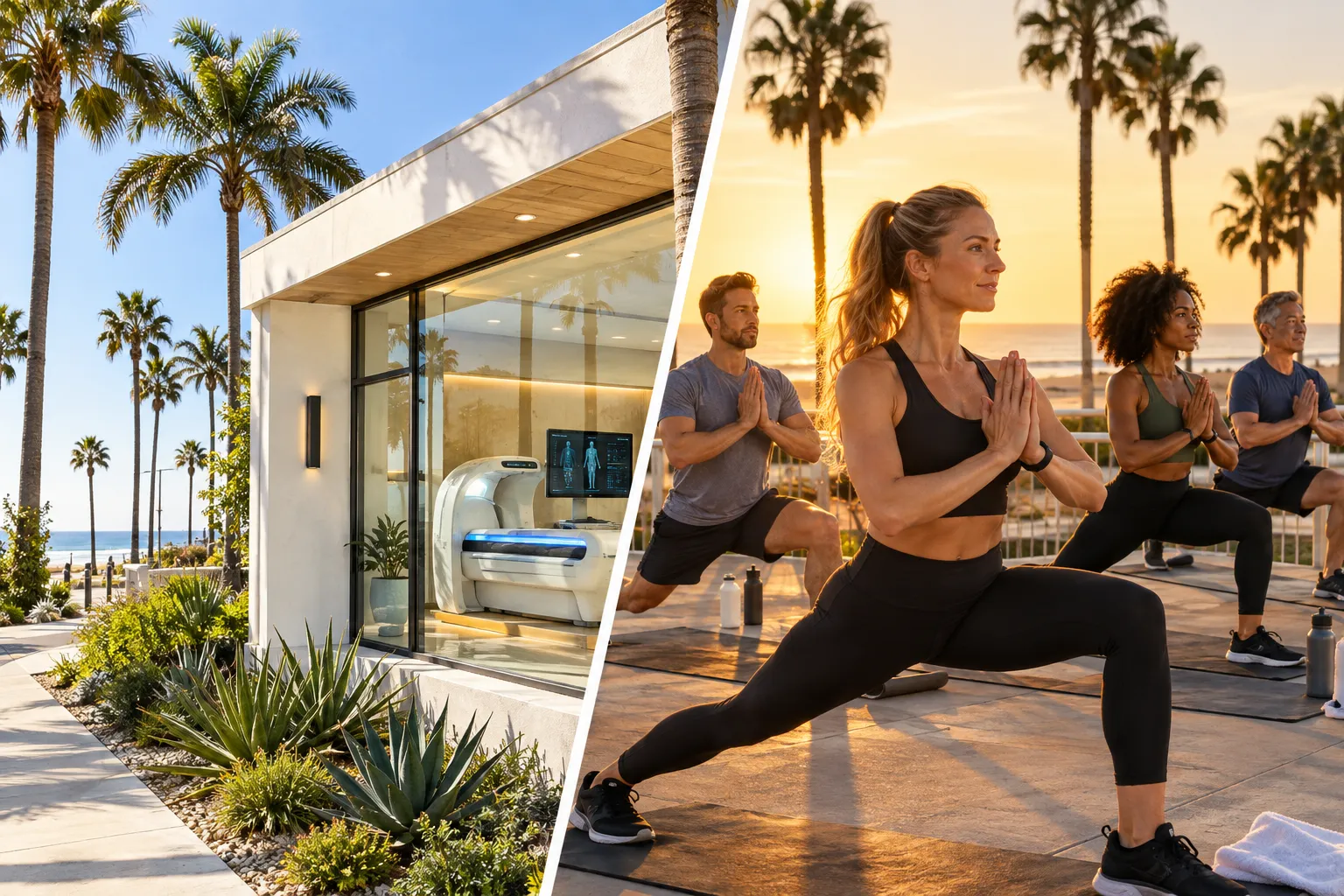
Santa Monica offers a concrete example of this response in action. Local reporting describes the city taking a leadership role in the wellness economy, with longevity clinics, diagnostic testing centers, and at-home health technology companies driving much of the area’s growth [5]. That geographic case study mirrors the national pattern the Live Love Spa report describes: consumers want measurable, personalized paths to better long-term health, not generic relaxation packages.
Social and communal elements are also fusing with longevity offerings. Group longevity classes, wellness retreats built around connection, and event-style health programming reflect the recognition that isolation itself undermines healthy aging. The report suggests spas and hospitality brands that pair longevity science with genuine social experiences are positioned to capture the most growth [1].
Longevity as Core Hospitality and Spa Strategy
Perhaps the most consequential prediction in the report is not a specific service but a strategic shift: longevity is expected to become a core pillar of hospitality and spa business planning rather than an add-on menu item [1]. With the global wellness economy projected to reach approximately $9 trillion by 2028, operators that build longevity into their core offering, rather than treating it as a passing trend, stand to capture a disproportionate share of that expansion [1].
Trade coverage of the launch reinforces this framing, noting that the ninth edition of this trend forecast places unusual emphasis on data gathered directly from practitioners rather than desk research [7][9]. That front-line sourcing is part of what gives the longevity finding its credibility within the industry.
Conclusion
The Wellness Trends Report debuted by Live Love Spa, sourced directly from the industry’s front lines, names longevity the #1 trend through 2028, and the surrounding data makes a compelling case that this is not a temporary shift. Burnout, an aging population, and growing demand for proactive health management are converging to push longevity to the center of wellness strategy. Spa owners, hospitality brands, and wellness professionals should treat diagnostics, personalization, and communal longevity programming as near-term priorities rather than future considerations. Consumers evaluating wellness providers should ask direct questions about measurable health outcomes, not just relaxation, when choosing where to invest their time and money over the next three years.
References
[1] Wellness Trends Report Debuted By Live Love Spa Sourced Directly From The Industrys Front Lines Names Longevity The 1 Trend Through 2028 302888764 – https://www.prnewswire.com/news-releases/wellness-trends-report-debuted-by-live-love-spa-sourced-directly-from-the-industrys-front-lines-names-longevity-the-1-trend-through-2028-302888764.html [4] 76 Of Adults Are Burned Out The Wellness Industry Has A Response 302816425 – https://www.prnewswire.com/news-releases/76-of-adults-are-burned-out-the-wellness-industry-has-a-response-302816425.html [5] Santa Monica Takes A Leadership Role In The Wellness Economy – https://www.smdp.com/santa-monica-takes-a-leadership-role-in-the-wellness-economy/ [6] 76 Of Adults Are Burned Out The Wellness Industry Has – https://www.moomoo.com/hans/news/post/72397309/76-of-adults-are-burned-out-the-wellness-industry-has [7] Live Love Spa Unveils 9th 130500569 – https://finance.yahoo.com/healthcare/articles/live-love-spa-unveils-9th-130500569.html [9] Live Love Spa – https://www.cbinsights.com/company/live-love-spa


